Rice
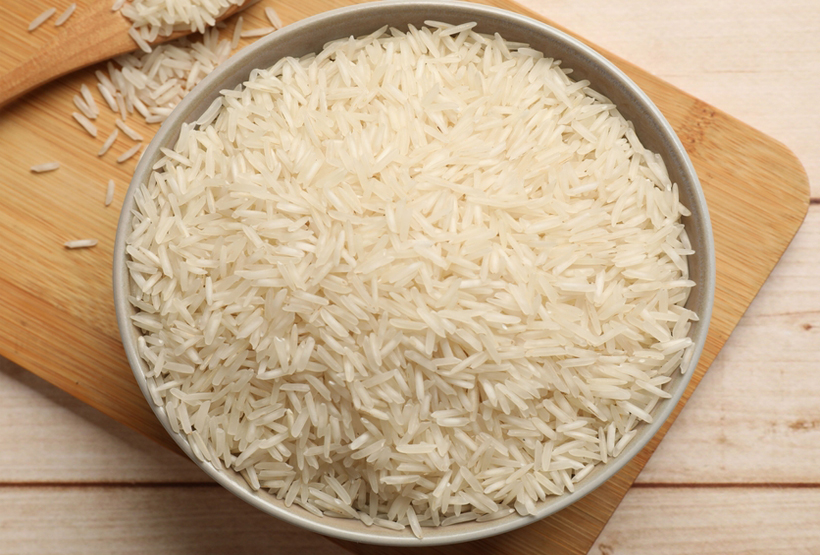
Rice is one of the most important staple crops in the world, feeding more than half of the global population. It is primarily grown in warm, humid regions, especially across Asia, with major producers including China, India, Indonesia, and Bangladesh. Rice is typically cultivated in flooded fields called paddies, although it can also be grown in upland areas without standing water. There are many varieties of rice, broadly categorized as white, brown, basmati, jasmine, and sticky rice, each differing in texture, aroma, and nutritional value. Brown rice retains its outer bran layer, making it higher in fiber and nutrients compared to white rice, which has been milled and polished. Rice is a rich source of carbohydrates, providing energy, and it also contains small amounts of protein, vitamins, and minerals. It is used in countless dishes worldwide, ranging from simple steamed rice to complex recipes such as sushi, biryani, and risotto, making it a versatile and culturally significant food crop.
Health Benefits of Rice- Low Glycemic Index
- Good Source of Energy
- Easily Digestible
- Supports Heart Health
- Weight Management Friendly
- Contains Essential Nutrients
- Versatile for Cooking